
CELPIP Speaking Task 5 · Comparing and Persuading · question 30 of 60
Food Scraps at Grace's New House
A CELPIP Speaking Task 5 practice question (Comparing and Persuading), with a model answer below. No sign-up needed. Read the task, take 60 seconds to prepare, then speak for 60 seconds, out loud, as you would on the test.
The task
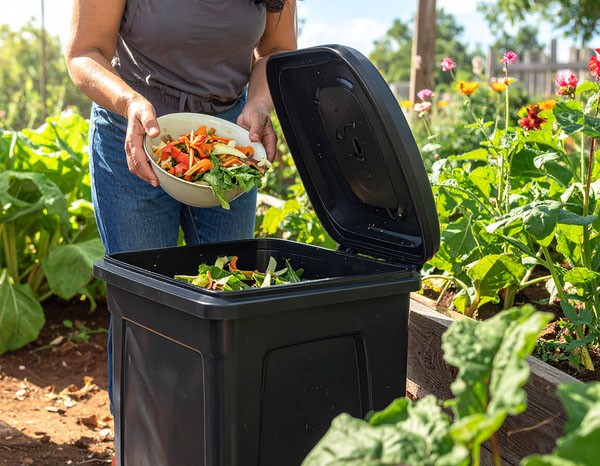
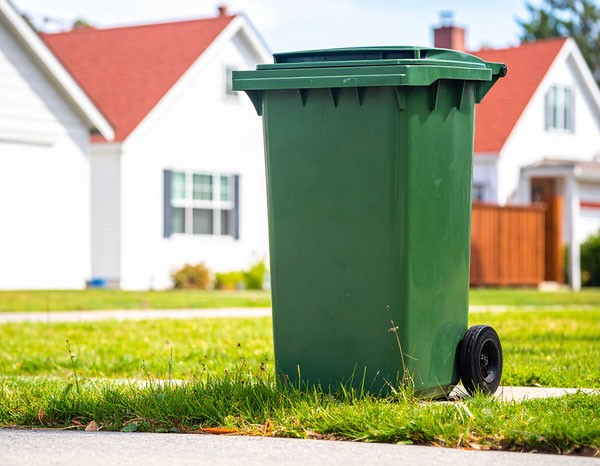
Your friend, Grace, has just bought her first house, which has a small backyard with a vegetable garden. She cooks dinner at home most nights and wants to stop putting food scraps in the garbage. Look at the two options below and choose the one you think suits her better. If you do not choose an option, the computer will choose one for you. You do not need to speak for this part.
- Choose one option during the selection time, prepare during the preparation time, then speak aloud to persuade the person in the task.
The options
Stage two
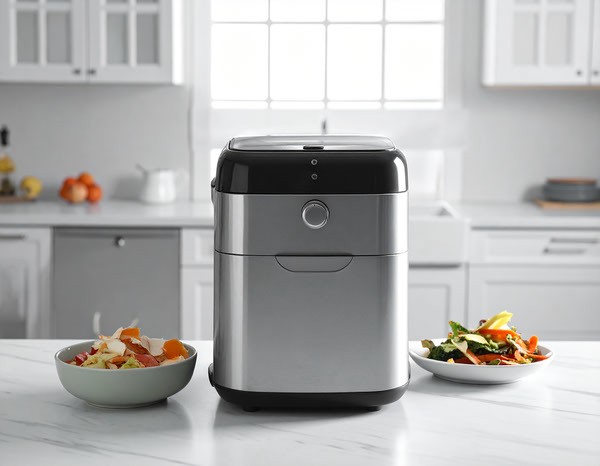
Grace prefers a third option, an electric countertop composter. Persuade her that your choice is better by comparing the two.
Your family's choice
- Preparation
- 60 seconds
- Speaking time
- 60 seconds
- Question
- 30 of 60
How to structure it
- Grace has a vegetable garden; decide whether that helps your choice or not.
- Add up the yearly running costs of the countertop machine.
- Admit one honest drawback of your choice, such as smell, effort or winter.
Model answer · CLB 7
111 words · no sign-upGrace, I know you like the countertop composter, because it has no smell and it work fast. But I think the backyard bin is better for you. The machine costs 550 dollars, and you must buy filters for 40 dollars every three month. The backyard bin is only 40 dollars from the city. You have vegetable garden, so the bin make free compost for your plants. In the picture someone is putting food scraps in the bin, and the garden look very green. Yes, you can't put meat or bones, and you must turn it sometimes. In winter it is slow too. But it is cheap and good for the garden.
Why this answer works
- Accepts what Grace likes about the machine, names the backyard bin, and compares price and the benefit for her garden.
- Real slips that do not block meaning: agreement ("it work fast", "the bin make", "the garden look"), a missing plural ("every three month") and a missing article ("You have vegetable garden").
- Simple, relevant points with one picture detail; it concedes three drawbacks but does not mention the power cost of the machine.
Model answer · CLB 9
145 words · no sign-upGrace, my pick would be the city green bin. I can see why you like the countertop composter. It doesn't smell, it sits right in the kitchen, and it turns scraps into something dry and crumbly overnight. But it's five hundred and fifty dollars, and then there are filters at forty dollars every three months and about five dollars a month in power. That's over two hundred dollars a year just to keep it running. The green bin costs you nothing extra, it's picked up every week, and it takes everything, including meat, bones and dairy, which matters if you cook most nights. I'll admit it can smell and attract flies in the summer, and you won't get compost for your vegetable garden. But that's mostly a summer problem, and I think the money you save could buy plenty of bagged compost for the garden.
Why this answer works
- Opens with the choice, credits the machine fairly, then calculates its real yearly running cost.
- Accurate, natural, error-free speech with a correct calculation and hedged advice ("mostly a summer problem", "I think").
- Concedes smell, flies and the lack of compost, then puts them in proportion and returns to the savings.
Model answer · CLB 11
170 words · no sign-upI'd steer you toward the backyard bin, Grace, because you already have the one thing that makes composting worthwhile: a vegetable garden to feed. I can see why the countertop machine is appealing. It's tidy, odour-free and finished overnight, which suits someone who cooks every evening. But it comes at a steep price: five hundred and fifty dollars up front, then filters and power that add up to more than two hundred dollars a year. The backyard bin costs forty dollars, once, and in six months to a year it gives you rich compost to work straight back into the soil, right beside vegetables like the ones in the photo. I won't pretend it's effortless. You'll need to turn it every couple of weeks, keep meat, dairy and bones out, and accept that it slows down a lot in winter. Still, a little effort with a garden fork seems a small price for closing the loop in your own backyard, rather than paying a machine to do half the job.
Why this answer works
- Organizes the answer around one idea, the garden makes composting worthwhile, and judges the machine against it.
- Precise, idiomatic language used with control: "comes at a steep price", "work straight back into the soil", "closing the loop".
- Calculates running costs precisely, concedes three drawbacks of the bin, and closes with a vivid contrast.
CLB levels are estimated. Not an official CELPIP score.
Get your own answer scored by AI: free account, no card
The model answer shows the target. To find out where your own recording lands, answer this question in the practice runner and get a CLB level for each criterion. A free account includes 10 AI-scored answers every 30 days.