
CELPIP Speaking Task 5 · Comparing and Persuading · question 3 of 60
Canoe or Kayaks for the Cottage
A CELPIP Speaking Task 5 practice question (Comparing and Persuading), with a model answer below. No sign-up needed. Read the task, take 60 seconds to prepare, then speak for 60 seconds, out loud, as you would on the test.
The task
Your mother, Linda, wants to buy something for the family cottage on a quiet lake so that she and your father can go out on the water together. Look at the two options below and choose the one you prefer. If you do not choose an option, the computer will choose one for you. You do not need to speak for this part.
- Choose one option during the selection time, prepare during the preparation time, then speak aloud to persuade the person in the task.
The options
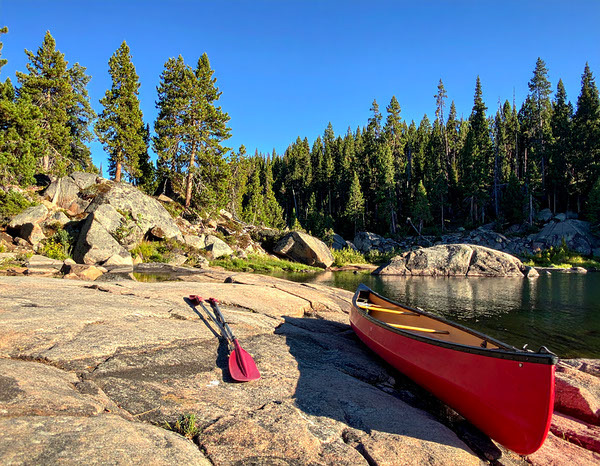
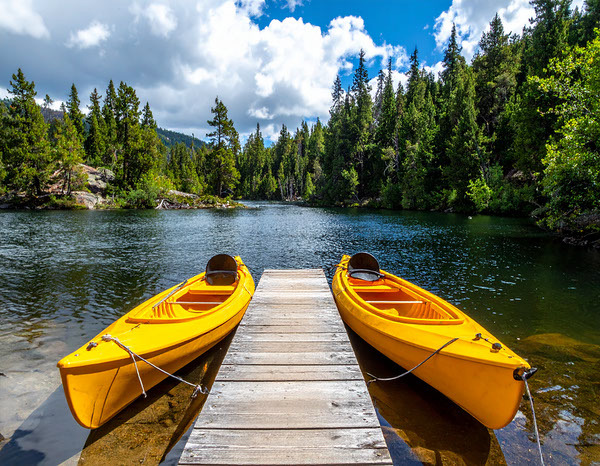
Stage two
Your mother, Linda, prefers a third option, two stand-up paddleboards. Persuade her that your choice is better by comparing the two.
Your family's choice
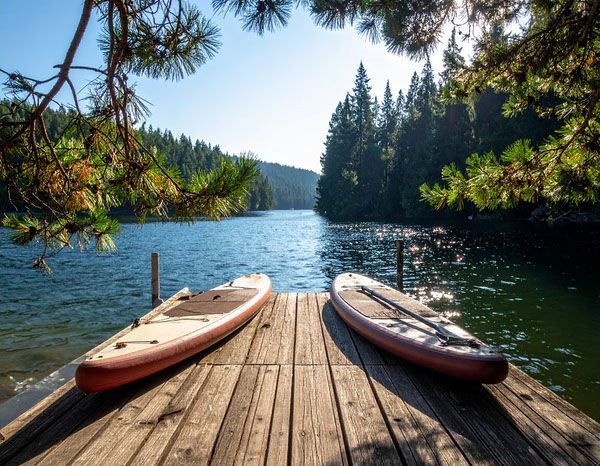
- Preparation
- 60 seconds
- Speaking time
- 60 seconds
- Question
- 3 of 60
How to structure it
- Keep in mind that your parents want to go out on the water together.
- Compare sitting with standing, and the weight of each choice.
- Admit one drawback of your choice and suggest a simple way to handle it.
Model answer · CLB 7
124 words · no sign-upMom, I understand you like the paddleboards. They are light, only 11 kilos, and they look nice on the dock. But I think the red canoe is better for you and Dad. On a paddleboard you have to stand, and the card say beginners often fall in the water. In the canoe you sit down, so is more comfortable. You and Dad can sit in the same boat and talk together. Also the paddleboards has no space for nothing, but the canoe has room in the middle for a cooler or a grandchild. Yes, the canoe is heavy, 32 kilos, and you need two people to carry it. But you always go together anyway. And it is 1,300 dollars, little cheaper than the boards.
Why this answer works
- Accepts what Linda likes about the boards, names the canoe, and compares standing with sitting and the space on board.
- Real slips that do not block meaning: agreement ("the card say", "the paddleboards has"), a missing subject ("so is more comfortable"), a double negative ("no space for nothing") and a missing article ("little cheaper").
- Plain, short reasons; it concedes the weight and answers it simply, but does not mention that the canoe also feels tippy at first.
Model answer · CLB 9
148 words · no sign-upMom, I'd go with the two kayaks. I get why the paddleboards appeal to you. They're the lightest option, just eleven kilos each, and they're a bit cheaper. But you'd be standing up the whole time, and beginners often fall in at first. In a kayak, you're sitting down, which I think would feel much steadier. Each of you would still have your own boat and go at your own pace, but side by side, which is the best of both worlds. The kayaks also have a small storage space behind the seat for a water bottle or a snack, while the boards have no space at all. The downside is the price, three hundred dollars more, and each kayak weighs twenty kilos. But one person can still carry one down to the water, and I'm sure staying dry is worth the extra money to both of you.
Why this answer works
- Opens with the choice, acknowledges the boards' real advantages, then compares balance, pace and storage.
- Accurate, natural speech with one hedged opinion ("which I think would feel much steadier") and no grammar errors.
- Concedes price and weight with a varied formula ("The downside is") and ends with a short persuasive point.
Model answer · CLB 11
157 words · no sign-upI'd steer you toward the canoe, Mom, and the reason is simple: you wanted something you and Dad could enjoy together, and the canoe is the only one of these that puts you in the same boat. I see the attraction of the paddleboards. At eleven kilos each, they're a breeze to carry, and they look great lined up on that dock. But they ask a lot of balance, and the card is frank that beginners often end up in the lake. In the canoe, you're sitting down, one of you steering from the back, with room in the middle for a cooler or a grandchild, whereas a paddleboard carries nothing but you. It's also a hundred dollars cheaper. Granted, at thirty-two kilos the canoe takes both of you to lift, and it can feel tippy at first. Still, you'd be carrying it together anyway, and a wobbly canoe is a lot drier than a wobbly board.
Why this answer works
- Organizes the answer around one idea, doing it together ("puts you in the same boat"), and compares the boards with it.
- Idiomatic, varied language used with control: "a breeze to carry", "the card is frank that", "nothing but you", "a wobbly canoe is a lot drier".
- Concedes both canoe drawbacks and turns them into a witty, persuasive close.
CLB levels are estimated. Not an official CELPIP score.
Get your own answer scored by AI: free account, no card
The model answer shows the target. To find out where your own recording lands, answer this question in the practice runner and get a CLB level for each criterion. A free account includes 10 AI-scored answers every 30 days.